
The Space Devs
Network & Public APIs
The Space Devs is a group of space enthusiast developers working on a range of services, united in a common goal to improve public knowledge and accessibility of spaceflight information. We aim to bring space app developers together into a thriving community by providing helpful data and tools, accessible to everyone for free.




Falcon 9 Block 5 | Starlink Group 15-18
SpaceX
Vandenberg SFB, CA, USA
Space Launch Complex 4E
A batch of 27 satellites for the Starlink mega-constellation - SpaceX's project for space-based Internet communication system.
T?
--
:
--
:
--
:
--
Date Loading...

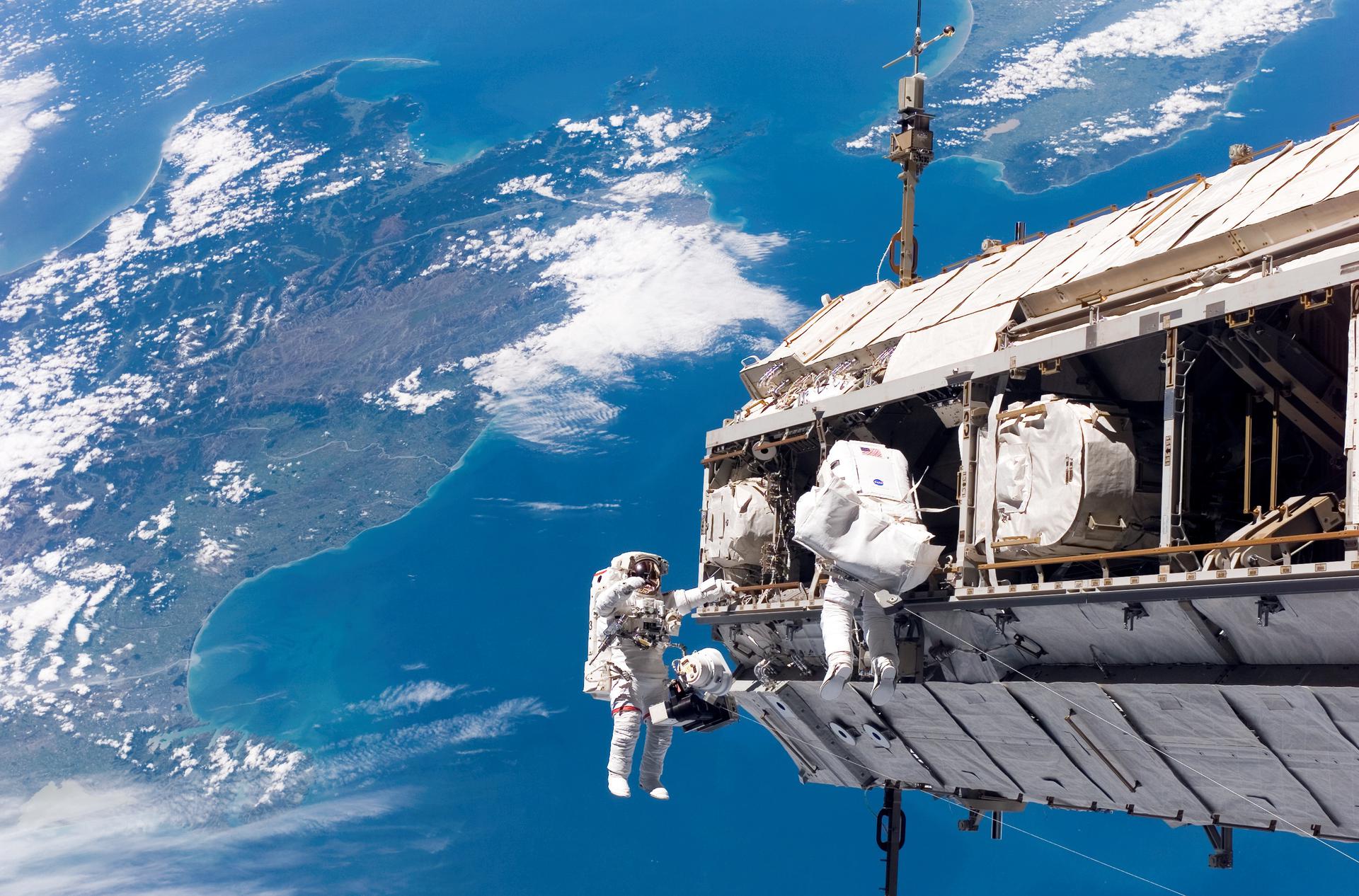
US EVA-100
National Aeronautics and Space Administration
International Space Station
NASA astronaut Anil Menon and CSA astronaut Joshua Kutryk will exit the station’s Quest airlock to install and deploy an International Space Station Roll-Out Solar Array (IROSA) on the 2A electrical power channel. The solar array will be the seventh IROSA and will provide additional power to support critical station operations, including its safe and controlled deorbit.